
Rice is one of the most widely consumed staple foods in the world. Whether you prefer jasmine, basmati, brown rice, or short-grain varieties, proper rice storage is essential to maintain freshness, flavor, and nutritional value. Many households buy rice in bulk to save money and reduce shopping frequency, but improper storage can quickly lead to moisture buildup, mold growth, insect infestations, and stale taste.
Understanding how to store rice correctly is not just about convenience—it directly affects food safety and quality. In this ultimate guide to rice storage, we will explore the key factors that impact rice preservation, common storage mistakes to avoid, and practical solutions that help prevent moisture, mold, and pantry pests. By the end, you’ll know exactly how to keep rice fresh for months—or even years—without compromising taste or texture.
Understanding the Enemies of Rice: Moisture, Mold, and Pests
Effective rice storage begins with understanding what causes spoilage. Rice may seem dry and shelf-stable, but it is highly sensitive to environmental conditions.
1. Moisture: The Silent Spoiler
Moisture is the number one threat to rice freshness. Even small amounts of humidity can cause rice grains to absorb water from the air. This can lead to clumping, changes in texture, and eventually mold development. Brown rice is especially vulnerable because its natural oils can turn rancid when exposed to heat and humidity.
The ideal environment for storing rice is cool, dry, and dark. Pantry shelves near ovens, dishwashers, or sinks are not ideal due to fluctuating temperatures and humidity levels. If rice is stored in thin plastic bags or loosely sealed containers, moisture from the air can slowly seep in.
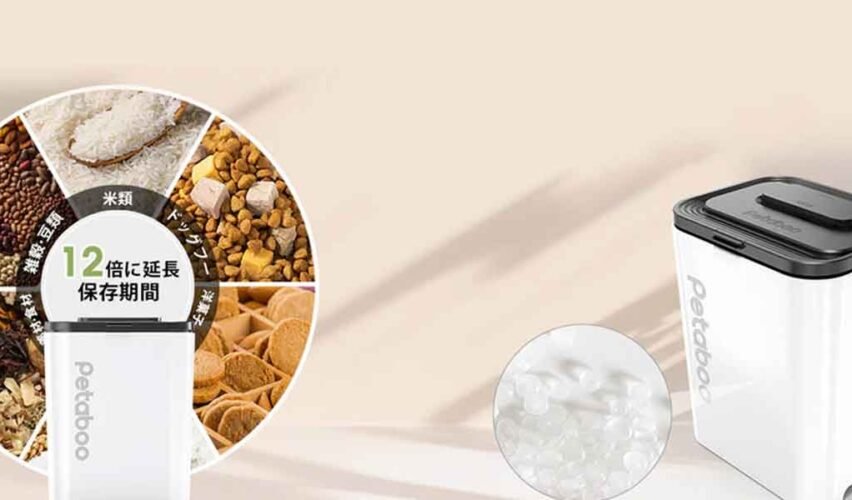
Using airtight storage solutions is critical. An airtight or 米 保存 容器 significantly reduces exposure to ambient humidity by creating a sealed environment that protects grains from moisture absorption.
2. Mold: A Food Safety Concern
When moisture levels rise, mold can develop. Mold spores are naturally present in the environment, and once they find a damp surface, they can multiply quickly. Moldy rice may have a musty odor, discoloration, or visible growth—but sometimes contamination is not immediately visible.
Consuming mold-contaminated rice can pose health risks. Therefore, prevention is always better than detection. Proper rice storage focuses on minimizing moisture and limiting air exposure, which reduces the likelihood of mold formation.
Storing rice in breathable fabric sacks may work in very dry climates, but in modern kitchens where humidity fluctuates, sealed storage options provide better protection. A vacuum rice container helps create a low-oxygen environment that discourages both mold growth and oxidation.
3. Pantry Pests: Weevils and Insects
Another common problem in rice storage is pantry pests, especially rice weevils. These tiny insects can lay eggs inside rice grains before packaging. Under warm conditions, eggs hatch and infest your pantry.
Signs of infestation include small moving insects, fine powdery residue, or tiny holes in grains. Once pests spread, they can contaminate other dry foods like flour and pasta.
A tightly sealed storage container is one of the most effective defenses against pantry pests. Unlike loosely closed bags, a vacuum rice container prevents insects from entering and limits oxygen, which reduces the survival rate of any hidden larvae.
Best Practices for Long-Term Rice Storage
Now that we understand the risks, let’s explore practical steps to extend rice shelf life and maintain quality.
Choose the Right Storage Location
Always store rice in a cool, dark place. Exposure to sunlight and heat accelerates oxidation and reduces freshness. A pantry cabinet away from appliances is ideal. If you live in a humid climate, consider placing moisture absorbers nearby to control ambient humidity.
For brown rice, refrigeration may extend shelf life because it contains natural oils that can spoil. However, white rice can typically be stored at room temperature if properly sealed.
Use Airtight or Vacuum-Sealed Containers
The container you choose plays a crucial role in rice preservation. Thin plastic bags from grocery stores are not designed for long-term storage. They allow air exchange and are vulnerable to punctures.
Instead, transfer rice into a durable, airtight container immediately after purchase. For optimal protection, a 真空 米びつ offers an advanced solution. By removing excess air and maintaining a sealed environment, it helps slow down oxidation, prevent moisture entry, and deter pests.
Vacuum storage is especially useful for bulk buyers who want to maintain consistent rice quality over time. It not only protects the grains but also preserves aroma and flavor.
Keep Rice Dry Before Storage
Never store rice if it has been exposed to moisture. If you accidentally spill water near your rice supply, ensure the grains are completely dry before sealing them. Even slight dampness can create conditions favorable for mold.
Using a clean, dry scoop each time you access your container also prevents contamination. Avoid dipping wet measuring cups into storage bins.
Avoid Frequent Exposure to Air
Every time you open a container, air enters and slightly alters the internal environment. While occasional opening is unavoidable, minimizing exposure helps extend shelf life.
Some modern vacuum rice containers are designed to quickly reseal after each use, reducing oxygen contact. This feature is particularly beneficial for households that cook rice daily.
Monitor Shelf Life
Although white rice can last for years when properly stored, brown rice typically has a shorter shelf life—around 6 to 12 months at room temperature. Regularly check for unusual smells or discoloration.
Labeling containers with the purchase date helps track freshness and rotate stock efficiently. This simple habit ensures older rice is used first, reducing waste.
Conclusion: Smart Rice Storage for Freshness and Food Safety
Proper rice storage is more than just placing a bag on a shelf. Moisture, mold, and pantry pests are real threats that can compromise both food safety and taste. By understanding these risks and implementing smart storage strategies, you can significantly extend the shelf life of your rice.
Choosing a cool, dry location, transferring rice into airtight containers, and minimizing exposure to air are foundational practices. For households that purchase rice in bulk or live in humid environments, a vacuum rice container offers enhanced protection by limiting oxygen and moisture intrusion.
With the right approach, rice can remain fresh, aromatic, and safe to eat for extended periods. Investing a little effort in proper storage today prevents food waste tomorrow and ensures that every meal begins with high-quality ingredients.